My Work In
User & Customer Experience
My Experience
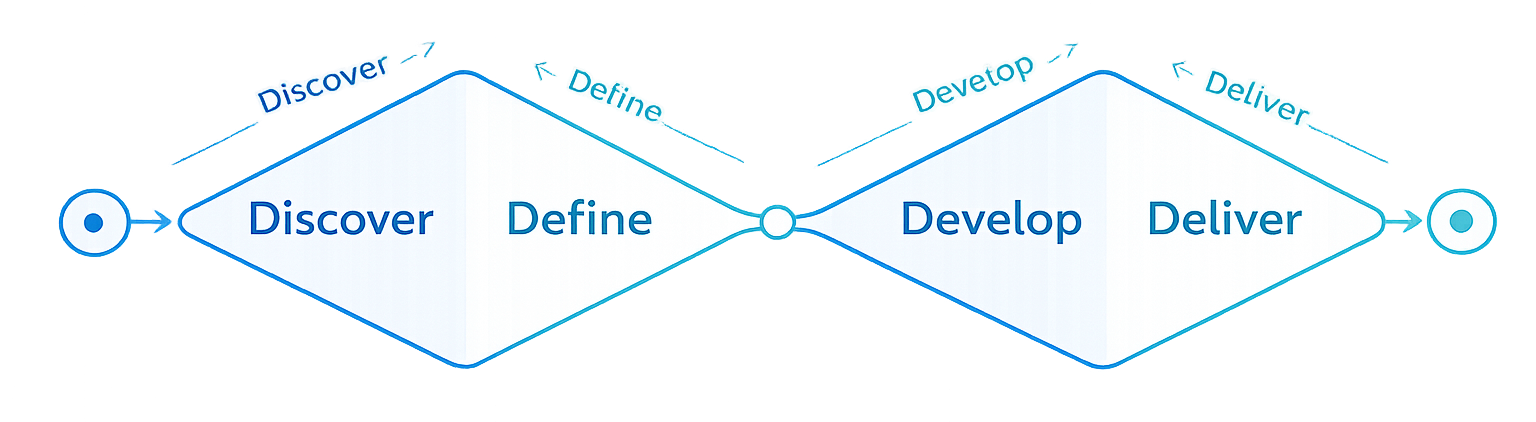
My background in UX/CX primarily spans four core experiences, capturing each part of the Double Diamond framework. The following experiences with the exception of part four were supported by the U.S. Air Force Research Lab, Oak Ridge Instutite for Science, Department of Defense, and DARPA. Please note the terms "Cognitive Systems, Human Factors, UX" all focus on the intersection of human psychology and design.
1. Autonomous Mental Model Visualization
I was selected for a highly competitive internship to work on autonomous mental model visualization, as part of a Human-AI Teaming group. In this role, I discovered research-driven methodologies and design specifications to visually represent pilots mental models through voice interactions.
2. XAI Big Data Medical Dashboard
In response to my first experience, I was awarded a contract as a sole Human Factors scientist. I helped define humananity-centered principles in a big data medical dashboard, interfacing data scientists, programmers, AI specialists, and medical doctors. This DARPA project targeted Explainable Artifical Intelligence.
3. Neurostimulation Design Usability Testing
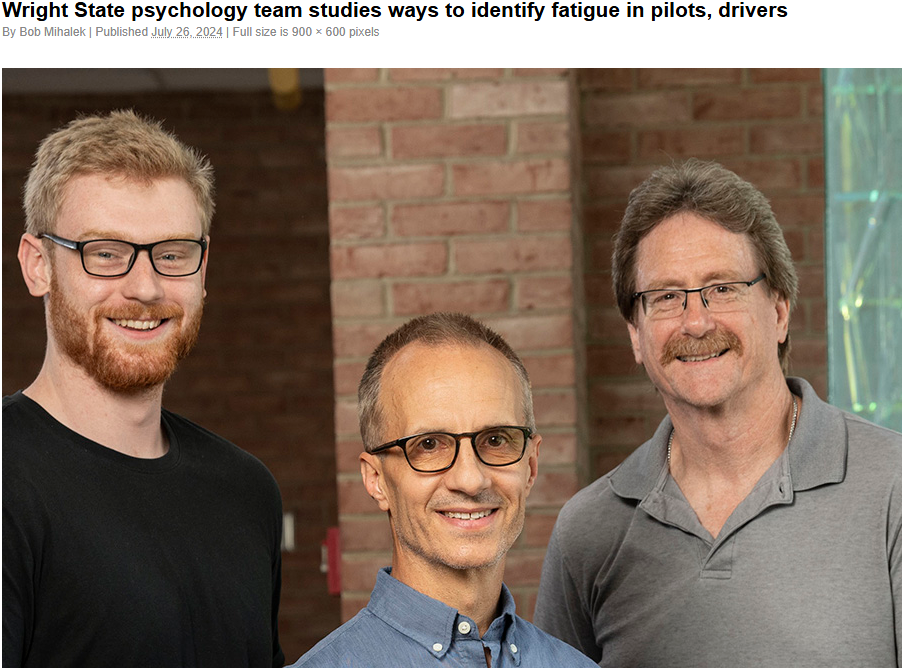
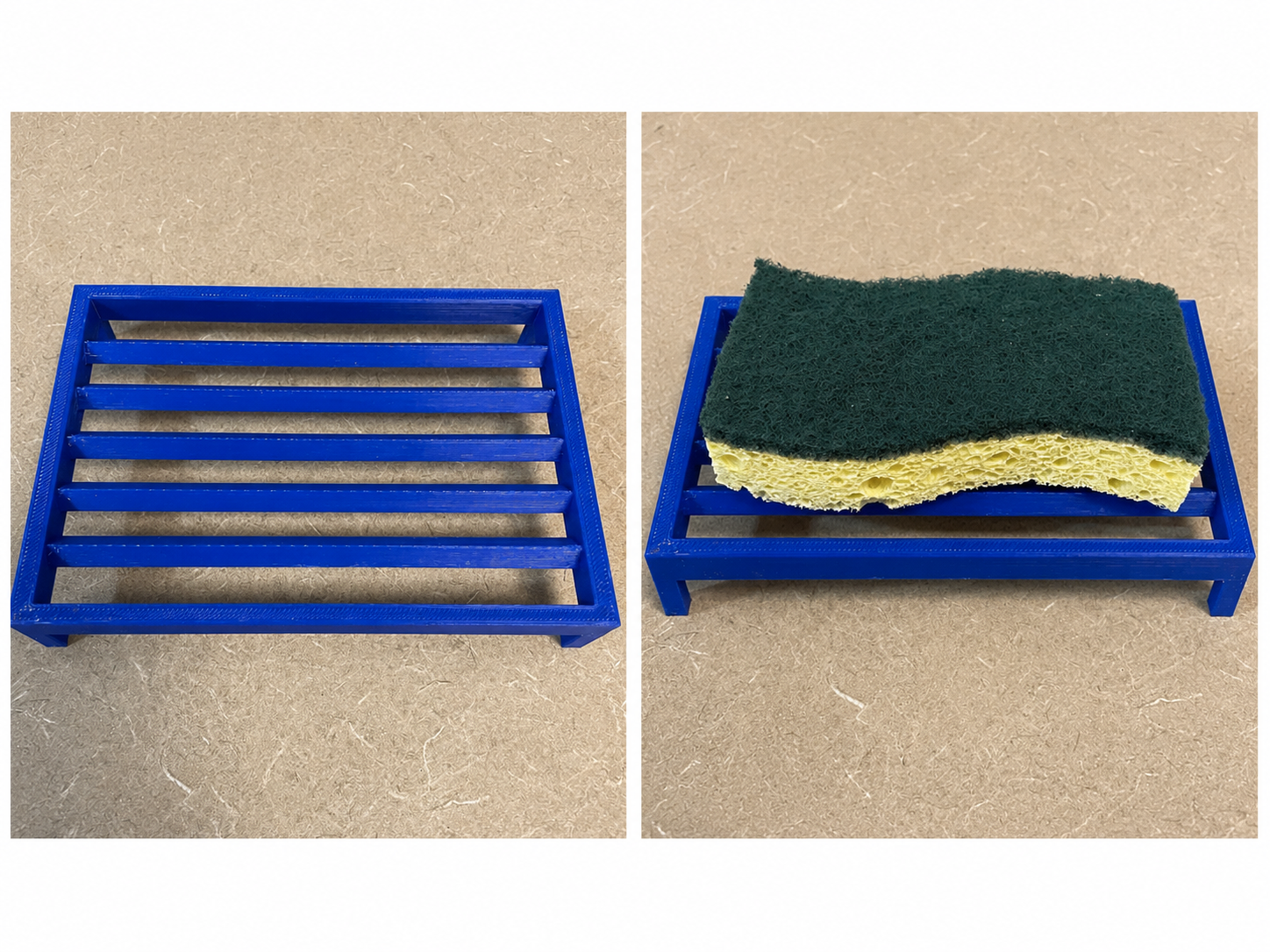
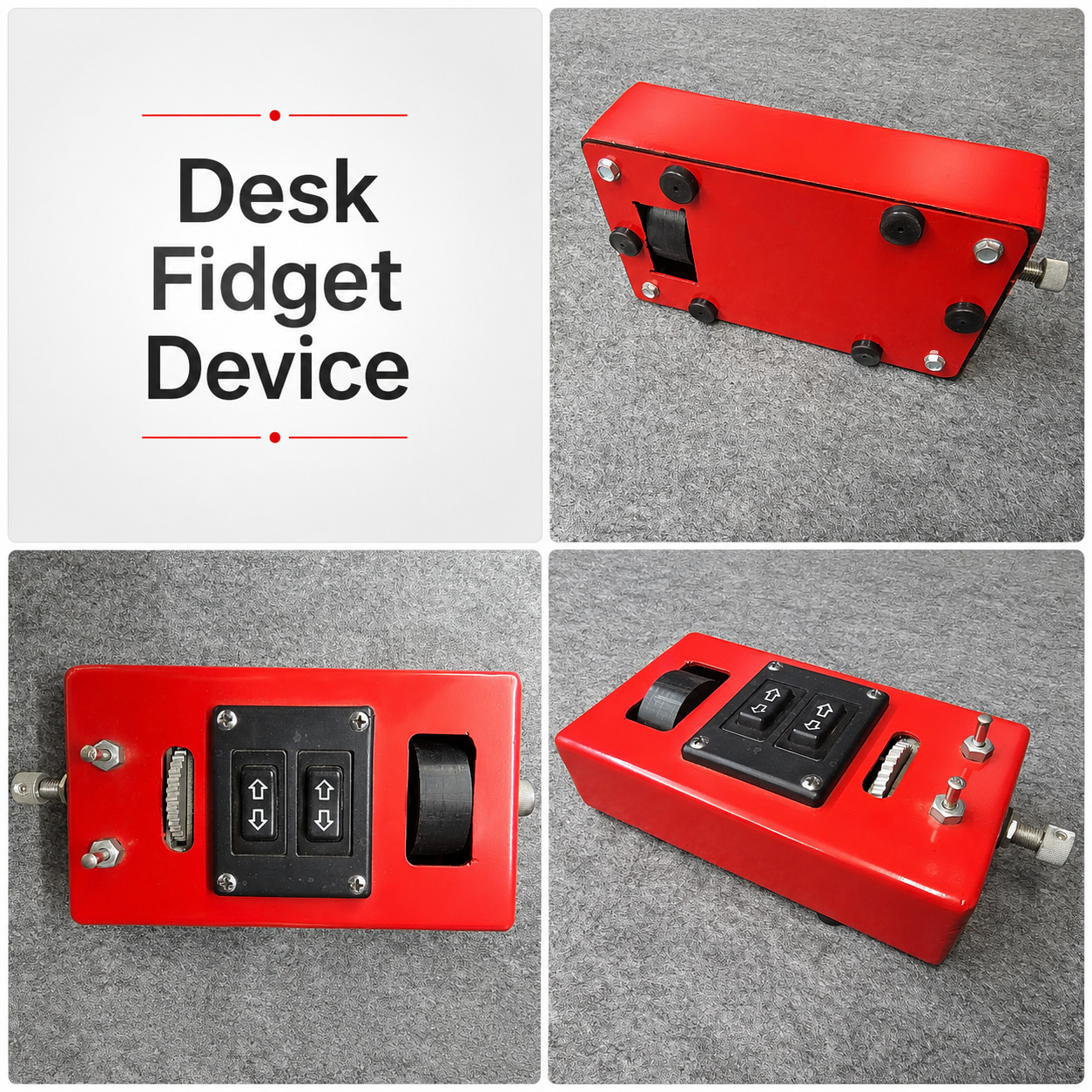
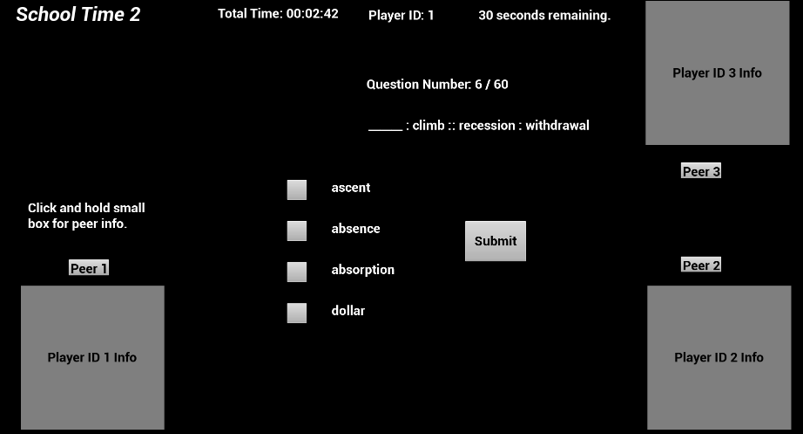
I spent two years working as a Cognitive Neuroscience Researcher, primarily in the develop phase. In this position, I leveraged device-specific data-driven testing stimulation devices across types and tasks: PBM, tVNS, TNS, fMRI, fatigue, psychomotor vigilance, and multitasking. Example Device.
4. Business and Human Impact Analysis
Now in a deliver phase, I lead UX research program with Habits for a Better World, converting user research into business strategy and measurable impact. I complement this work as a professor of business, where I keep up with scientific literature, conduct market research on university programs, and teach humanity-centered business domains.
Featured Projects
The projects in this section demonstrate my personal work and UX research. The projects listed above, with the exception of part four, have not been approved for release on this website, so details on them have been omitted.
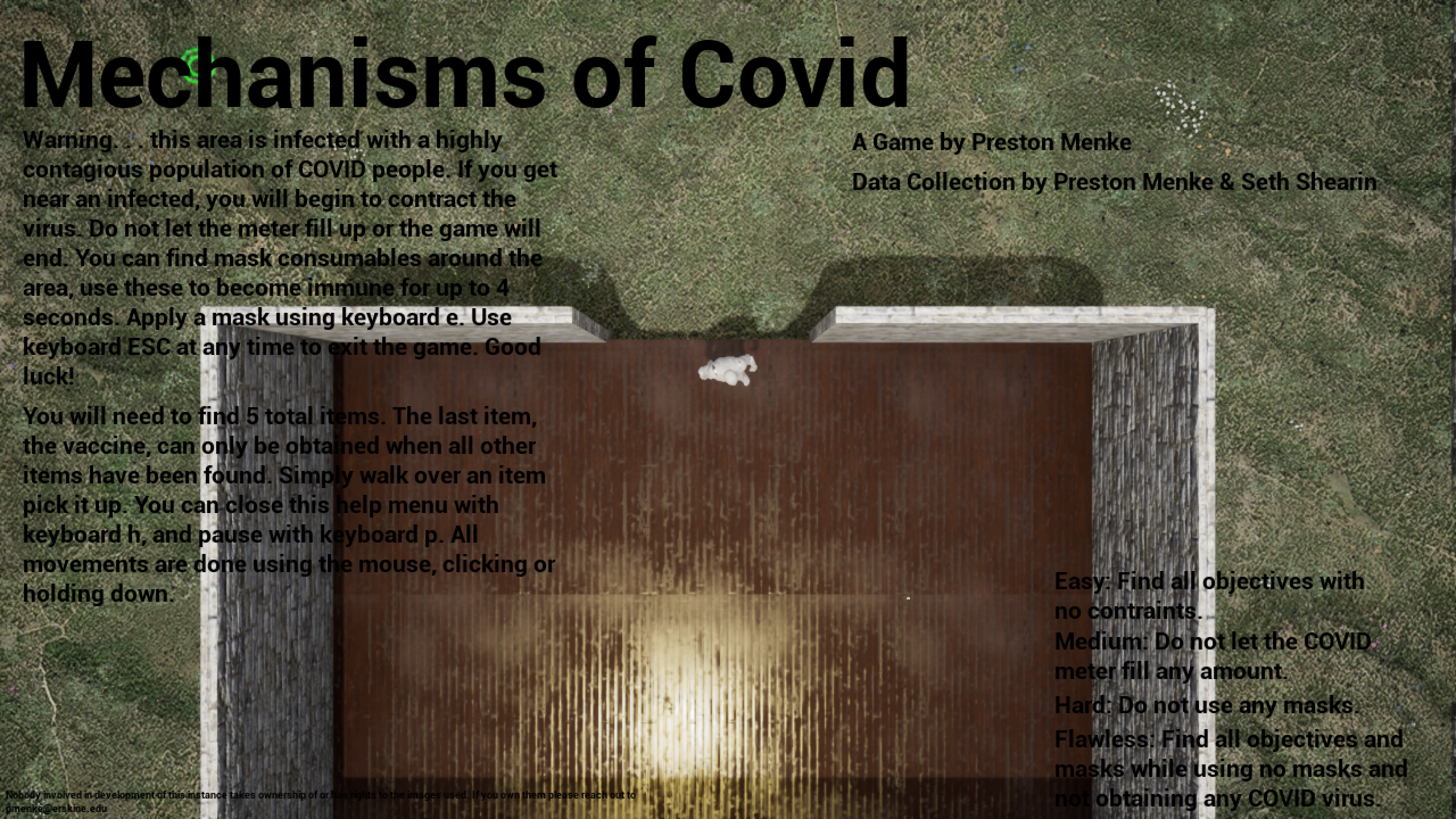
Interface Design Dissertation Database
Ecological Interface Design, Cognitive Load, Gamification, Education, Sustainability, Environmental Psychology
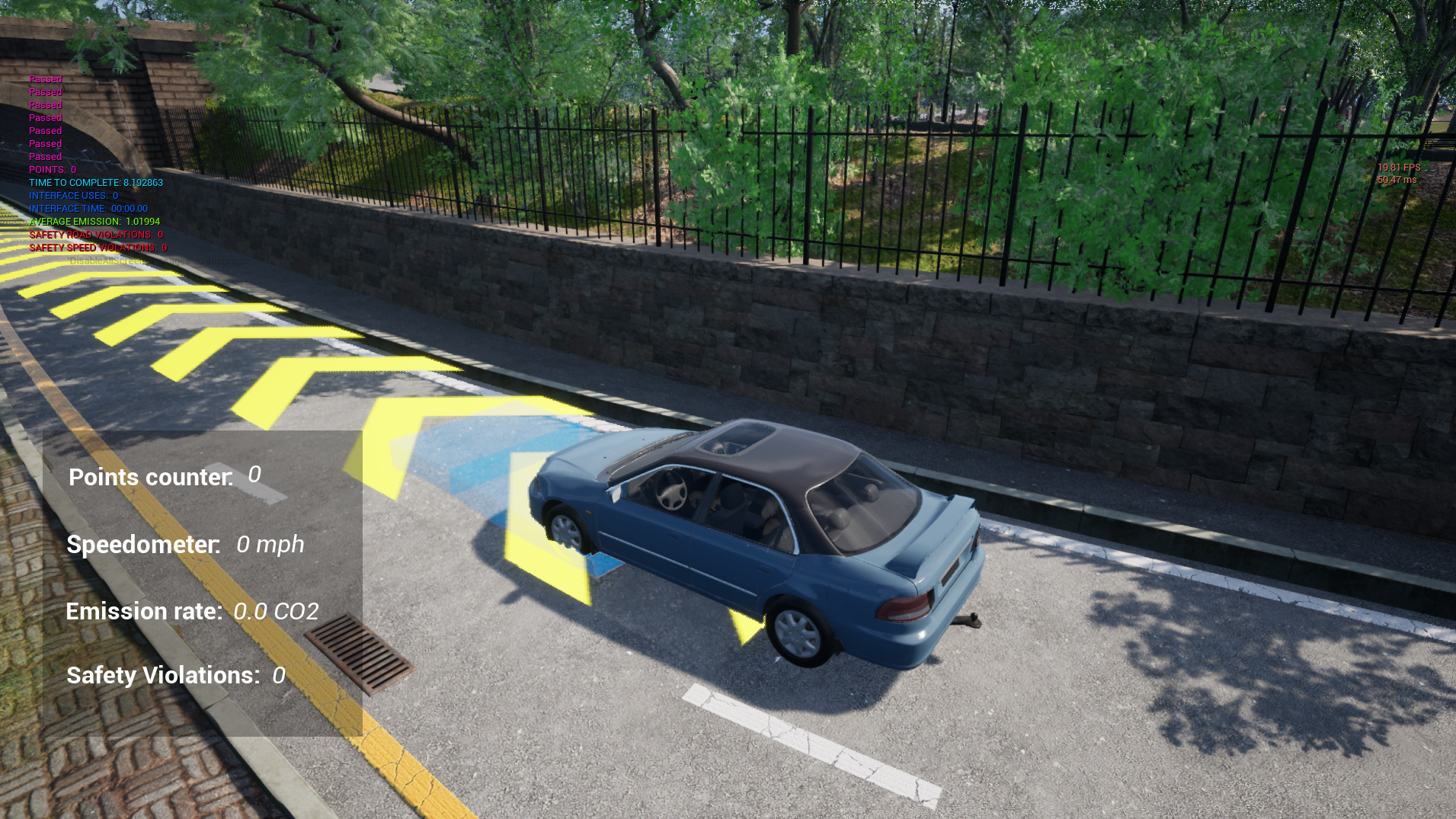
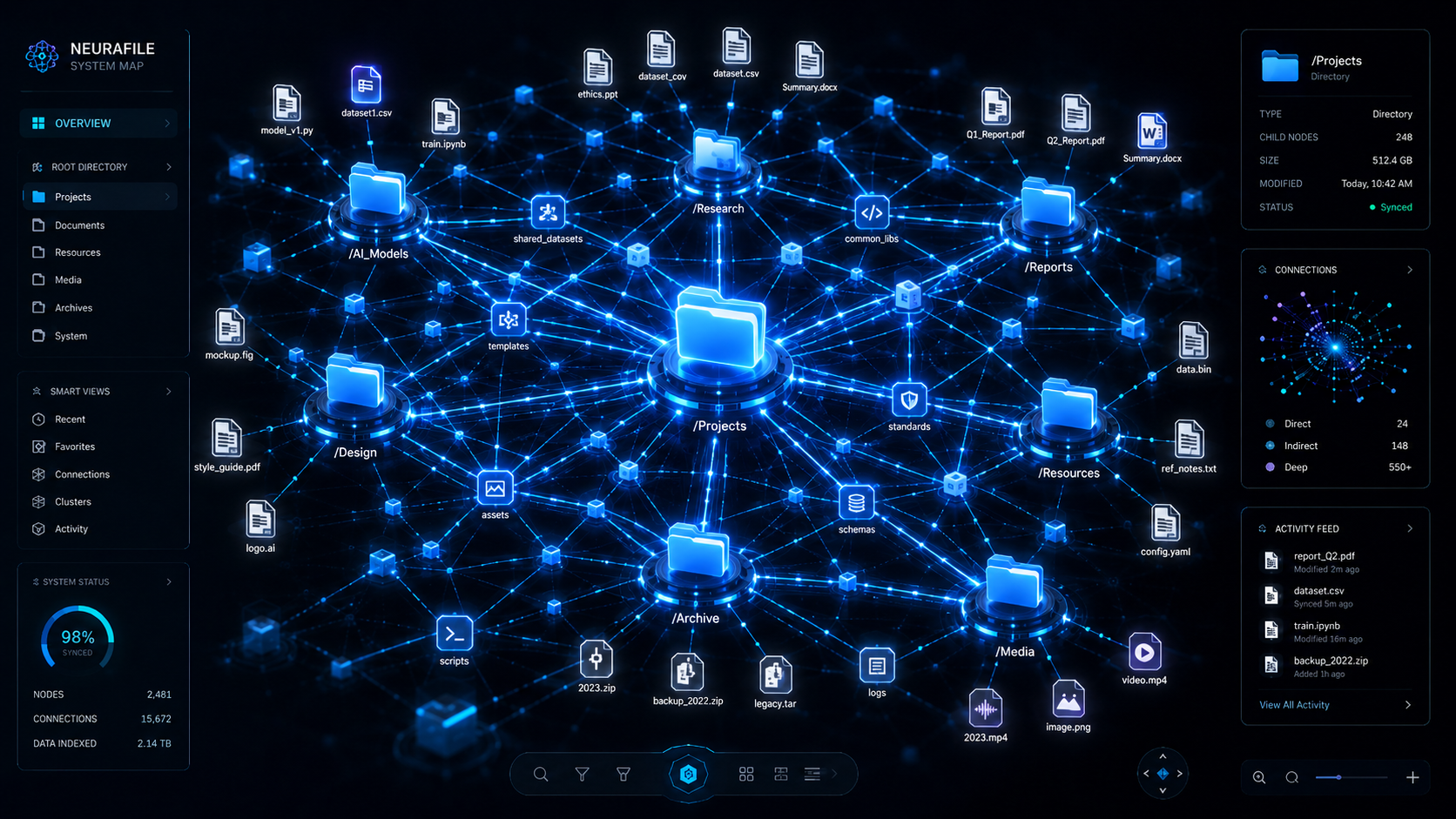
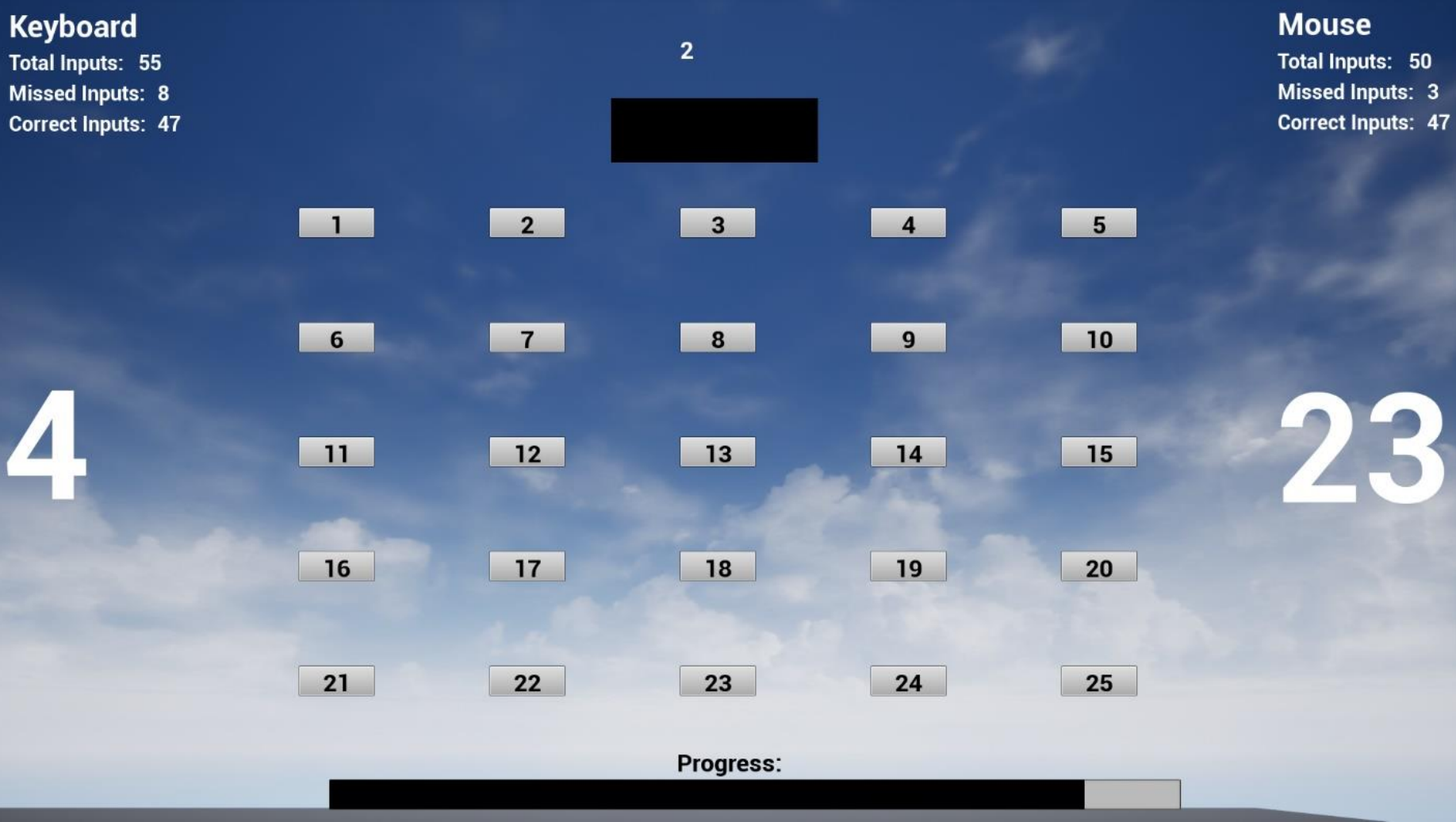
Designed an educational interface to teach sustainable driving behaviors through task-based learning. The design process involved ecological prototyping in a realistic driving environment, pilot testing, and backend edits based on multidisciplinary literature. I measured learning outcomes and behavioral change in environmental process data.
Key Outcomes:
- Game-based methodology with physics-backed driving environment augmented performance
- Pre/post testing did not reveal systems-thinking skill development
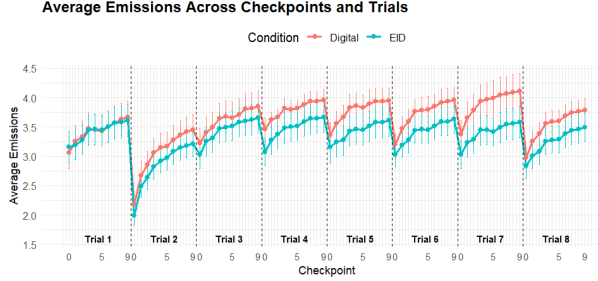
- Ecological interface design outperformed traditional interface design in training and practical outcomes
Show project image
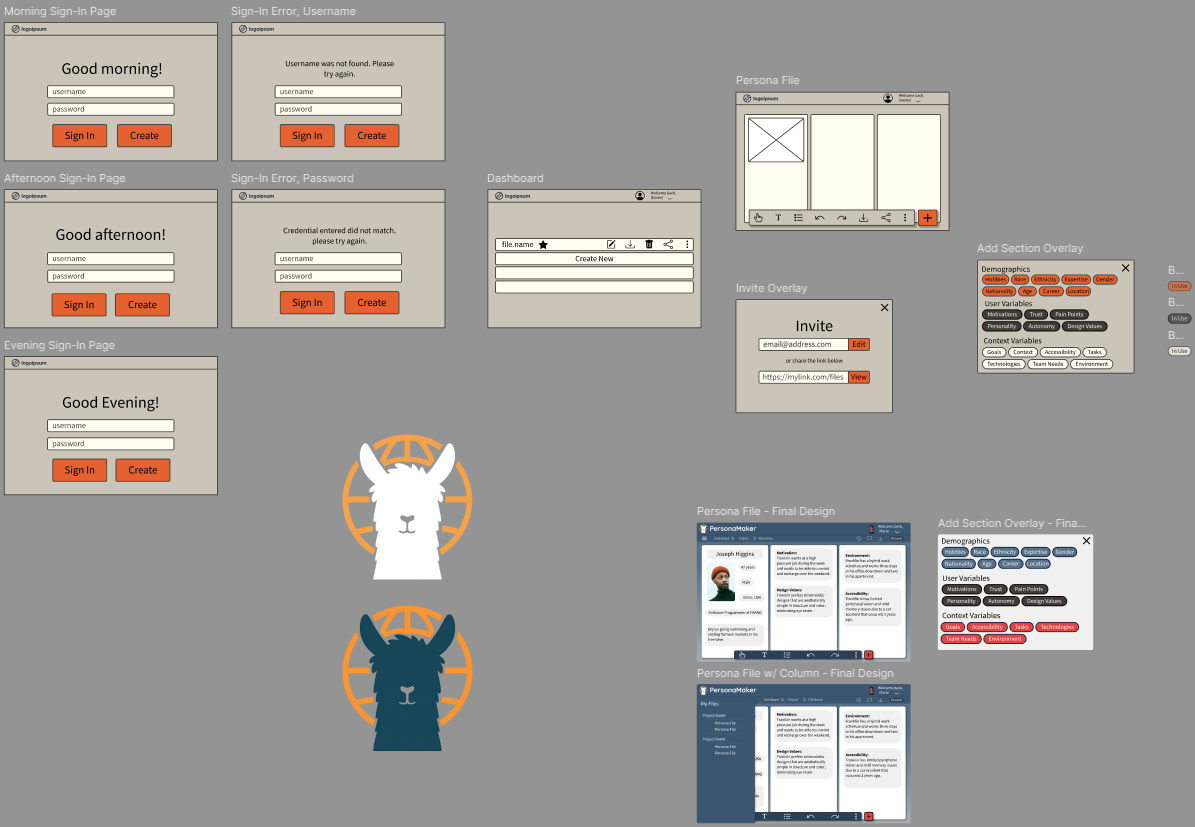
Habits for a Better World Website
Habit Formation, Humanity-Centered, International, Accessibility, Volunteer, Social Impact, Qualitative Research
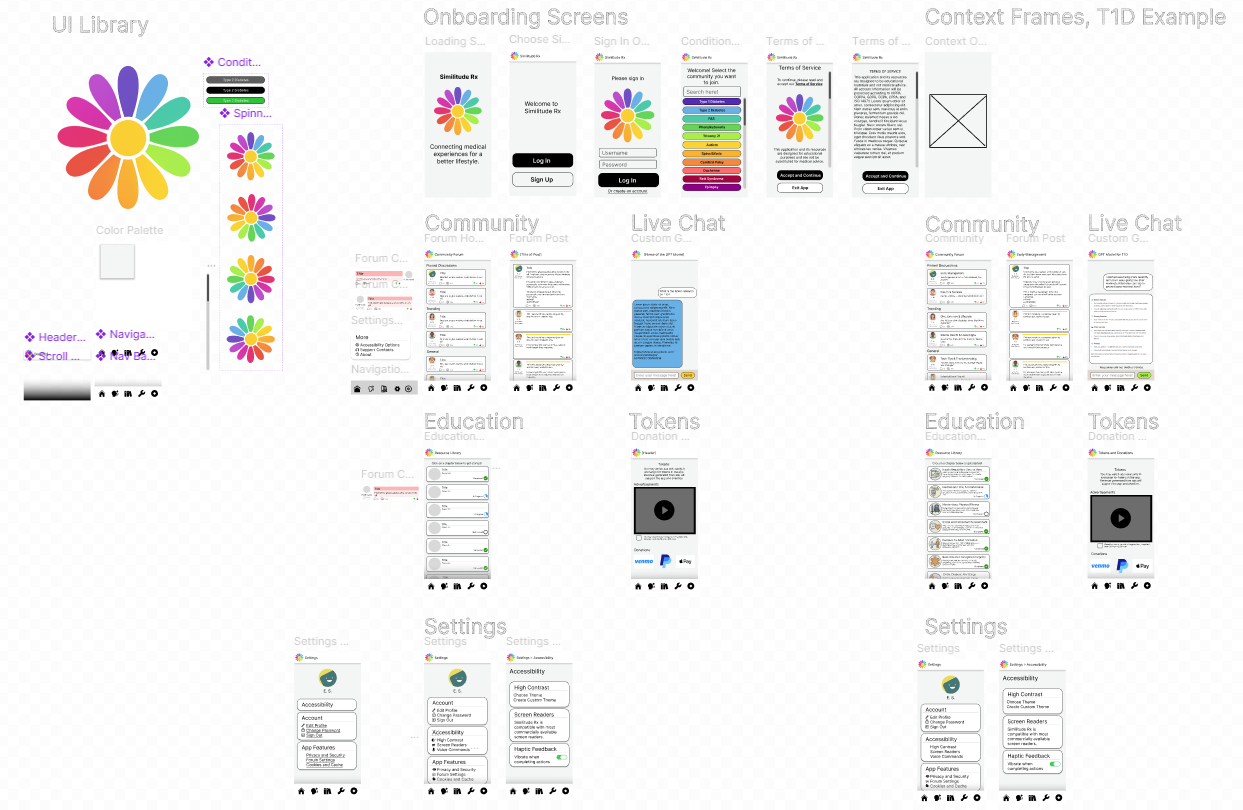
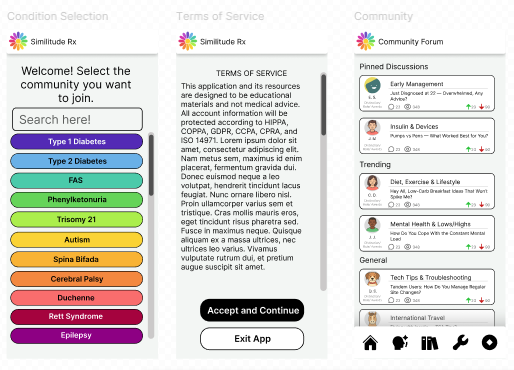
Led UX research initiatives for a volunteer-driven platform designed to promote sustainable habits at scale. Conducted user research through surveys, interviews, and card sorting to understand user mental models, defined impact metrics, and implemented research-driven improvements to increase user engagement and measure real-world behavior outcomes.
Key Outcomes:
- Developed survey methodology and information architecture to map environmental pressures (e.g. plastic use, food waste, etc.) to environmental impact metrics across domains
- Identified organizational and data collection blocks, with reliability analysis of internal and external participants, such as platform and social branding limitations
- Established research objectives through pre-mortem analysis to identify KPIs for continuous improvement and impact
Show project image
Data-Driven Research Methodology Github
Quantitative Methods, Statistics, Machine Learning, Psychometrics, Educational Resources
Developed an open-source educational resource documenting quantitative user research methods to support design validation and data-driven decision-making. The resource guides teams through statistical analysis, hypothesis testing, and research interpretation in R and Python, enabling evidence-based UX improvements across diverse projects.
Key Outcomes:
- Structured curriculum covering basic statistics, GLM, machine learning, and Bayesian modeling
- Multi-language implementation (R primary, Python in development) for cross-domain applicability
- Serves as teaching resource for courses and comprehensive reference for research teams
Show project image

Tools & Skills Keywords
Design & Prototyping
Figma, Wireframing, Adobe, Blender, Canva, Unreal Engine, Unity, Information Architectures, Decision Maps, AGILE, Scrum, WCAG, Zoom Whiteboards, Journey Maps, Interaction Prototypes, Personas, Pre-Mortem, Vibe Coding, Edge Case Testing, Heuristic Evals, Accessibiity Review, Responsive Web Design, Naturalistic Decision-Making, Ecological Deisgn, Mental Model Elicitation, Human Error Testing, Resiliance Analysis (Human and Product), Constraint-Based Methods
Analytics & Testing
R, Python, Jupyter, Deepnote, Structural Equations Modeling, AB Tests, Latent Variable Analysis, Psychometrics, KSIs, Impact Measurement, Reliability Analysis, Validity Analysis, NASA-TLX, MMPI, IPIP, Item Response Theory, Adaptive testing, ANOVA and GLMs, SAS, SPSS, Personality Testing, Excel, biometric tools, fatigue testing, multitask testing, simulation, gamification, process data analysis, GOMS/KLM, think aloud protocol, Data Visualization, Search Engine Optimization, Google Analytics, Cognitive Work Analysis, Abstraction Heirarchys, Performance Analysis
Research & Collaboration
Data and Stakeholder Communication, SONA, Google Forms, Google Scholar, Qualtrics, Prolific, IRB Review, Microsoft Suite, OneDrive, Git, Github, AI Literacy, Medical Data Literacy, Cognitive Neuroscience Literacy, Business Administration and Management Literacy, Human-Machine and Human-AI Teaming, Strong Interdisciplinary Background